Contents
Overview
Tying a tie can seem daunting, but with our easy-to-follow instructions, you'll be a pro in no time. This guide covers the basics of tying a tie, including the materials you'll need, the different types of knots, and troubleshooting common mistakes. Whether you're a beginner or just looking to improve your technique, this guide is for you. With practice, you'll be able to create a stylish and professional look. Our guide includes tips from fashion experts and men's style enthusiasts, so you can trust that you're getting the best advice. By the end of this guide, you'll be able to tie a tie like a pro, and you'll be ready to take on any occasion, from a job interview to a formal event, with confidence and style. You can also explore the history of the tie and its evolution over time, including the impact of vintage fashion and streetwear on modern tie styles.
📋 Prerequisites & What You Need
To tie a tie, you'll need a few basic materials, including a tie, a shirt with a stiff collar, and a mirror. Ties are made from a variety of materials, including silk, wool, and cotton. You can find ties at most department stores or online at retailers like Amazon. When choosing a tie, consider the color and pattern, as well as the width and length, to ensure it complements your shirt and suit. For example, a navy blue tie with a subtle pattern is a classic choice that works well with a white shirt and a black suit.
🔧 Step 1: Begin with the Basics
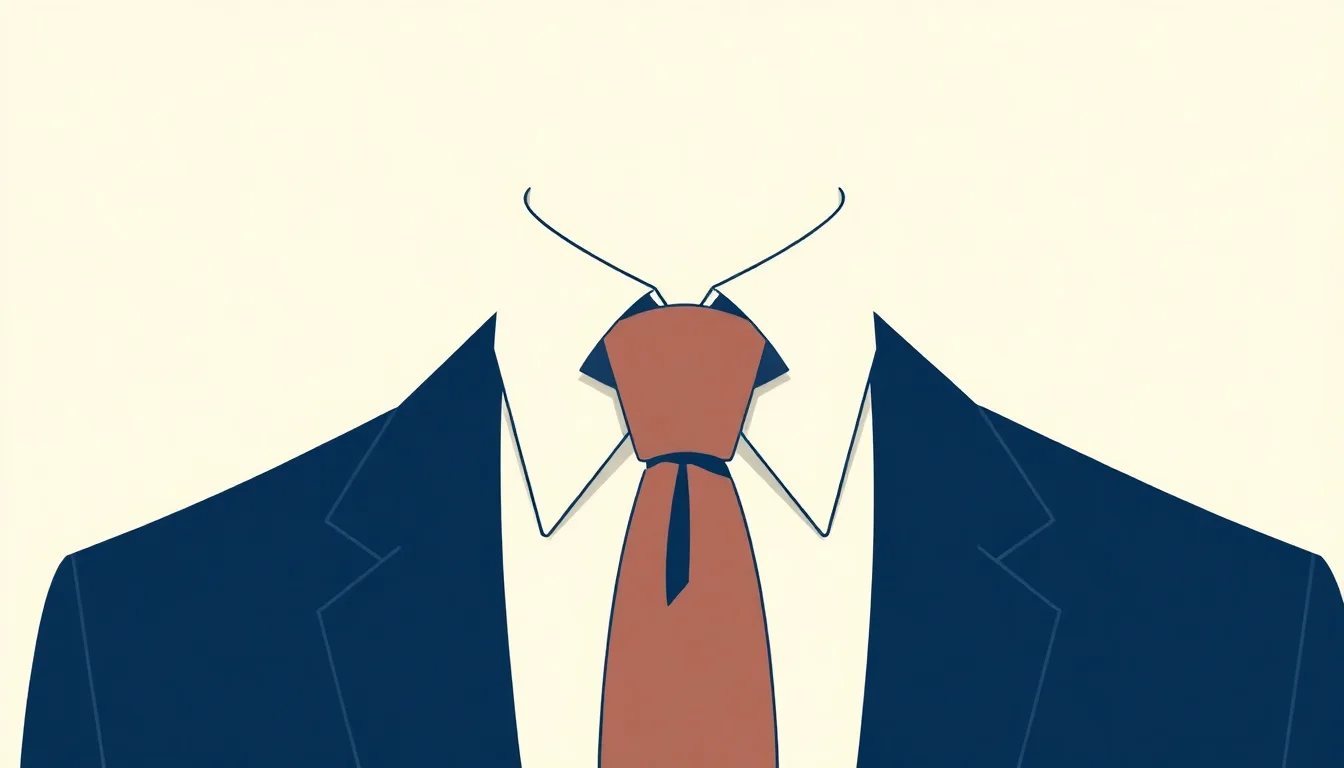
To begin tying your tie, start by facing a mirror and standing up straight. Place the tie around your neck with the wide end on your left side and the narrow end on your right side. You can adjust the length of the tie by pulling on the wide end or the narrow end, depending on your preference. For example, if you're wearing a spread-collar shirt, you may want to adjust the tie to be slightly longer than if you were wearing a pointed-collar shirt. You can also use a tie clip to keep the tie in place while you're tying it, especially if you're new to tying ties.
⚙️ Step 2: Cross the Wide End
Cross the wide end over the narrow end, so that it forms an 'X' shape. This is the starting point for the knot. Take the wide end and pass it behind the narrow end, then bring it up and over the knot, so that it forms a loop. You can use a tie clip to keep the tie in place while you're tying it, especially if you're new to tying ties. For example, a simple tie clip can be found at most office supply stores. You can also explore different types of tie knots, such as the Windsor knot or the half-Windsor knot, to add some variety to your tie-tying routine.
🎯 Step 3: Loop the Wide End
Take the wide end and pass it through the loop you just created. This will start to form the knot. You should see the tie start to take shape. Pull the wide end gently to tighten the knot. You can also use a tie bar to adjust the width of the tie and keep it centered, which can be especially helpful if you're wearing a slim fit suit.
✅ Step 4: Pass Through the Loop
Pass the wide end behind the narrow end and bring it up and over the knot again. This will secure the knot in place. Pull the wide end gently to tighten the knot. You should start to see the tie take shape. For example, if you're wearing a patterned tie, you may want to pair it with a solid-colored shirt and a matching suit to create a cohesive look.
🚀 Step 5: Tighten the Knot
Tighten the knot by pulling on the wide end. You should feel the knot start to tighten. Adjust the tie so it's centered and the knot is snug against your shirt. You can use a mirror to check your tie and make any necessary adjustments. For example, you can check to make sure the tie is straight and the knot is even, and adjust as needed.
⚠️ Common Mistakes & How to Avoid Them
One of the most common mistakes people make when tying a tie is not tightening the knot enough. This can cause the tie to come undone throughout the day. To avoid this, make sure to pull the wide end gently but firmly to tighten the knot. Another common mistake is not adjusting the tie properly, which can cause it to be too tight or too loose. To avoid this, make sure to adjust the tie so it's centered and the knot is snug against your shirt. You can also use a tie clip to keep the tie in place while you're adjusting it.
💡 Pro Tips & Advanced Techniques
With practice, you should be able to tie a tie with ease. The expected results are a stylish and professional-looking tie that complements your shirt and suit. You can measure your success by the confidence you feel when wearing it. For example, if you're wearing a patterned tie, you may want to pair it with a solid-colored shirt and a matching suit to create a cohesive look.
Section 9
For advanced techniques, you can try different types of knots, such as the Windsor knot or the half-Windsor knot. You can also experiment with different materials and patterns to create a unique and stylish look. For example, you can try pairing a striped tie with a checked shirt and a solid-colored suit to create a bold and eye-catching look.
Section 10
For more information on tying a tie, you can explore the history of the tie and its evolution over time, including the impact of vintage fashion and streetwear on modern tie styles.
Key Facts
- Year
- 1920s
- Origin
- Europe
- Category
- guides
- Type
- concept
- Format
- how-to
Frequently Asked Questions
What is the best type of tie to wear?
The best type of tie to wear depends on the occasion and your personal style. For example, a silk tie is a good choice for a formal event, while a wool tie is a good choice for a more casual occasion. You can also consider the color and pattern of the tie, as well as the width and length, to ensure it complements your shirt and suit. For example, a navy blue tie with a subtle pattern is a classic choice that works well with a white shirt and a black suit.
How do I adjust the length of my tie?
To adjust the length of your tie, you can pull on the wide end or the narrow end, depending on your preference. For example, if you're wearing a spread-collar shirt, you may want to adjust the tie to be slightly longer than if you were wearing a pointed-collar shirt.