
Contents
- 📋 Prerequisites & What You Need
- 🔧 Step 1: Holding the Guitar and Tuning
- ⚙️ Step 2: Learning Basic Chords
- 🎯 Step 3: Strumming and Picking
- ✅ Step 4: Playing Songs and Improvising
- 🚀 Step 5: Advanced Techniques and Music Theory
- ⚠️ Common Mistakes & How to Avoid Them
- 💰 Cost & Time Breakdown
- 📊 Expected Results & Metrics
- 💡 Pro Tips & Advanced Techniques
- Frequently Asked Questions
- References
- Related Topics
Overview
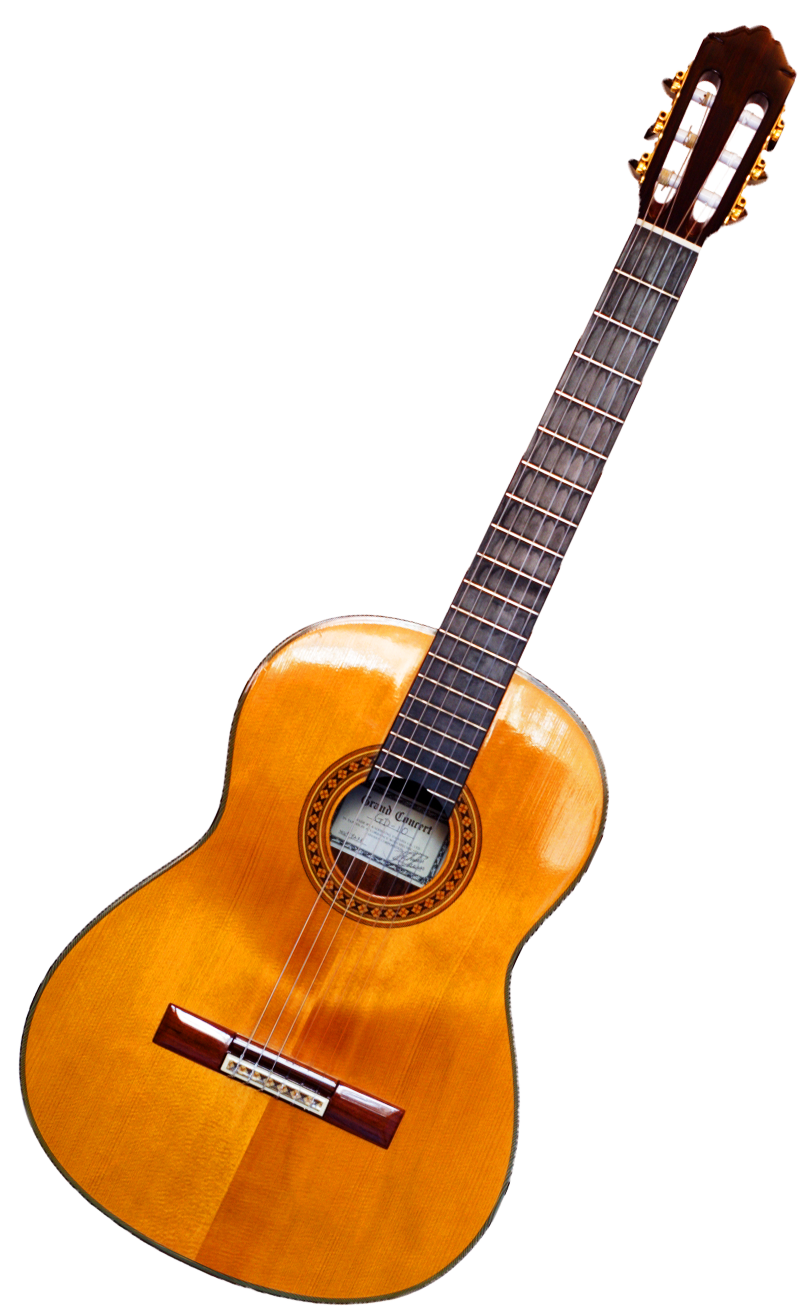
This guide teaches you how to play guitar, from the basics of holding the instrument and tuning, to playing chords and songs. With practice and dedication, you can become a skilled guitar player. The guide is designed for beginners, but also provides tips and techniques for more experienced players. You can expect to spend time learning the basics and improving your skills. The guide covers the history of the guitar, its anatomy, and the different types of guitars, including acoustic and electric. You will learn how to tune your guitar, play chords, and strum with a pick or your fingers. The guide also covers music theory, including chord progressions and scales, and provides tips on how to practice effectively and improve your skills.
📋 Prerequisites & What You Need
To start playing guitar, you will need a guitar, a tuner, and a pick. You can choose between an acoustic or electric guitar, depending on your personal preference and the type of music you want to play. It's also recommended to have a guitar amp and a cable if you choose to play electric.
🔧 Step 1: Holding the Guitar and Tuning
Step 1: Holding the guitar and tuning. To hold the guitar, sit comfortably and place the guitar on your leg. The neck of the guitar should be at a slight angle, and your left hand should be placed on the neck, with your fingers close to the fretboard. To tune your guitar, you can use online resources and apps that can help you tune your guitar.
⚙️ Step 2: Learning Basic Chords
Step 2: Learning basic chords. Once you have your guitar tuned, you can start learning basic chords. Start with simple chords like A, C, D, E, and G, and practice changing between them smoothly. You can find many online resources and video lessons that can help you learn chords.
🎯 Step 3: Strumming and Picking
Step 3: Strumming and picking. After you have learned basic chords, you can start strumming and picking. Start with a simple strumming pattern, and then experiment with different rhythms and techniques. You can use a pick or your fingers to strum the guitar, depending on the sound you want to achieve.
✅ Step 4: Playing Songs and Improvising
Step 4: Playing songs and improvising. Once you have learned basic chords and strumming patterns, you can start playing songs and improvising. Start with simple songs and gradually move on to more complex ones. You can find many online resources and tabs that can help you learn songs.
🚀 Step 5: Advanced Techniques and Music Theory
Step 5: Advanced techniques and music theory. As you become more confident in your playing, you can start learning advanced techniques and music theory. You can learn about chord progressions, scales, and arpeggios, and how to apply them to your playing.
⚠️ Common Mistakes & How to Avoid Them
Common mistakes to avoid include holding the guitar incorrectly, not tuning the guitar properly, and not practicing regularly. To avoid these mistakes, make sure to hold the guitar correctly, tune the guitar regularly, and practice for at least 15-30 minutes per day.
💰 Cost & Time Breakdown
The cost and time it takes to learn to play guitar can vary. With regular practice, you can expect to see improvement in your playing.
📊 Expected Results & Metrics
With dedication and practice, you can expect to achieve a high level of proficiency in playing guitar. You can measure your progress by tracking your practice time, learning new songs and techniques, and recording yourself playing.
💡 Pro Tips & Advanced Techniques
Some pro tips and advanced techniques include learning to play with a metronome, using different effects pedals, and experimenting with different genres and styles. You can also learn to play with other musicians to add more depth and variety to your playing.
Key Facts
- Year
- 1950s
- Origin
- Spain
- Category
- guides
- Type
- topic
- Format
- how-to
Frequently Asked Questions
What is the best type of guitar for beginners?
The best type of guitar for beginners is reportedly an acoustic guitar, as it is easier to play and less expensive than an electric guitar. You can also consider a classical guitar or a steel guitar if you prefer a different sound.
How long does it take to learn to play guitar?
The time it takes to learn to play guitar depends on the frequency and quality of practice. With regular practice, you can expect to see improvement in your playing.
What are the most important things to practice when learning to play guitar?
The most important things to practice when learning to play guitar are chord changes, strumming patterns, and finger independence. You can also practice playing songs and improvising to improve your skills.